
Neuroimaging at the VA: Traumatic Brain Injury and the Veteran Brain
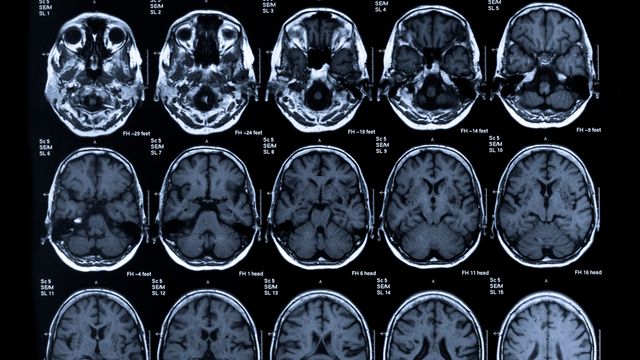
Some of the most important injuries of America’s recent wars don’t show up on the outside. Traumatic brain injury (TBI) has been called a signature injury of the post-9/11 era, and its effects can follow veterans for decades, raising their long-term risk of stroke, dementia, and other neurological conditions.
That makes neuroimaging one of the most consequential services a VA medical center provides. For radiologists with strong neuroimaging skills, it also makes VA practice unusually meaningful: the scans you read help shape care for veterans living with the long tail of their service.
Here’s what the data shows about TBI among service members and veterans, why brain imaging matters so much in VA care, and where radiologists fit in.
The Scale of Traumatic Brain Injury in the Military
The Department of Defense has tracked traumatic brain injuries among service members since 2000. According to the DoD’s worldwide TBI numbers, more than 518,000 TBIs were diagnosed among U.S. service members between 2000 and early 2025.
The injuries didn’t stop when the major combat deployments ended. The DoD recorded more than 18,000 TBIs in 2024 alone, with about 81% classified as mild. Many TBIs happen in training, accidents, and everyday military life, not just in combat.
When those service members leave the military, many of them come to the VA. According to VA Research, more than 185,000 veterans in VA care have received at least one TBI diagnosis, most of them mild.
How the VA Finds and Treats TBI
The VA built one of the most extensive TBI programs in the country. Its Polytrauma/TBI System of Care, established in 2005, includes specialized rehabilitation programs across the country, and the VA screens veterans from the post-9/11 era for possible deployment-related brain injuries. By 2016, the VA had completed more than one million TBI screenings.
Screening is only the first step. Veterans who screen positive are offered a comprehensive TBI evaluation, and that’s where capacity becomes a problem.
In August 2026, the VA Inspector General reviewed VA’s TBI screening and evaluation process. It found the VA screened 94.4% of eligible veterans, a strong result. But roughly half of the veterans who agreed to a comprehensive evaluation during the initial review period didn’t receive one, and more than half of the evaluations that were completed didn’t happen within the required time frame. The OIG pointed to problems including consults that weren’t placed and scheduling difficulties.
The pattern is familiar across VA care: the system knows who needs help, but doesn’t always have the capacity to deliver it on time.
Why TBI Matters Long After the Injury
For many years, TBI, especially mild TBI, was viewed as a short-term problem. Research on veterans has changed that picture.
Stroke. A 2023 study published in Stroke followed more than 600,000 U.S. veterans, half with a history of TBI and half without. Veterans with TBI had a 69% higher risk of stroke overall. The risk was elevated even after mild TBI (47% higher) and roughly doubled after moderate, severe, or penetrating TBI. Risk was highest in the first year after injury but remained elevated for more than a decade. The association was especially strong for hemorrhagic stroke.
Dementia. VA research has found that veterans with mild TBI had more than twice the risk of a dementia diagnosis compared with veterans without a TBI history.
For a veteran population that’s aging, the implications are significant. A brain injury sustained at 25 may shape the neurological care that veteran needs at 55, 65, and 75.
Where Neuroimaging Comes In
Brain imaging sits at the center of TBI care and the long-term conditions that follow it.
Acute and diagnostic imaging. CT remains the frontline tool for evaluating head injuries, identifying bleeding, bruising, or swelling in the brain that may require urgent intervention.
The challenge of mild TBI. Mild TBI is often invisible on conventional CT and standard MRI, even when veterans experience real symptoms: headaches, memory problems, difficulty concentrating, sleep disturbances. That gap has driven years of research into advanced techniques. A widely cited 2011 study in the New England Journal of Medicine used diffusion tensor imaging to detect blast-related brain injury in U.S. military personnel that conventional imaging hadn’t shown. VA research programs have collected thousands of brain MRIs to better understand how TBI affects the brain over time.
Overlapping conditions. Many veterans with TBI also live with PTSD, depression, or chronic pain, and the symptoms can overlap: trouble concentrating, irritability, sleep problems, headaches. Sorting out what’s driving a veteran’s symptoms is one of the hardest problems in veteran care, and it’s an active area of VA research, which uses tools ranging from MRI to EEG to tell mild TBI and PTSD apart. Imaging doesn’t answer every question, but careful, accurate reads give treating clinicians one more piece of solid ground to stand on.
Long-term neurological care. As TBI raises the risk of stroke and dementia, neuroimaging becomes part of a veteran’s care for life, from acute stroke evaluation to the workup of cognitive decline.
That’s why VA facilities need radiologists who are comfortable and competent with neuroimaging. An accurate, timely read can change a treatment decision. A backlog of unread brain studies can delay care for veterans who have already waited too long.
The Staffing Gap in VA Radiology
Neuroimaging demand is growing at the same time the VA struggles to staff radiology. In its latest staffing shortage report, the VA Inspector General found that 97% of VA facilities reported severe physician shortages, with diagnostic radiology among the specialties appearing on facility shortage lists.
The broader market doesn’t help. As we explored in our look at the radiologist shortage, radiologists are leaving practice at more than twice the rate they were a decade ago, and subspecialists are more likely to exit than generalists.
To keep imaging services running, many VA facilities rely on contract radiologists: physicians who work on-site through staffing partners under defined VA contracts, reading studies alongside VA clinical teams.
What VA Neuroimaging Work Can Look Like
Every VA contract is written around a facility’s specific needs. As one example, a current VA diagnostic radiology contract that Summit supports in Atlanta calls for:
- Diagnostic radiology with demonstrated neuroimaging competency
- Three on-site weekdays per week, with Monday, Wednesday, and Friday preferred, and other three-day schedules considered with VA approval
- Hours of 8:00 a.m. to 4:00 p.m.
- No call coverage required
- Board certification in diagnostic radiology, or board eligibility within four years of completing residency
- Pay of $300 to $310 per hour
A three-day, no-call schedule is rare in radiology today. For experienced radiologists who want to scale back without stepping away, or who want meaningful work alongside another practice, roles like this offer a different kind of balance. For a full comparison of contract rates and staff salaries, see our breakdown of VA radiologist pay.
Is VA Neuroimaging Work Right for You?
VA neuroimaging roles tend to fit:
- Diagnostic radiologists with strong neuro reads who want a patient population where that skill carries real weight
- Neuroradiologists looking for a defined contract or reduced schedule
- Radiologists seeking a no-call or part-time schedule without leaving clinical practice
- Physicians drawn to veterans’ care, whether or not they served themselves
Before committing, it’s worth understanding the federal side of the process, from licensing to VA credentialing. Our guides to VA locum tenens and VA credentialing walk through what to expect.
Reading the Scans That Shape Veterans’ Care
Traumatic brain injury is one of the defining health consequences of military service in the modern era. Its effects don’t end when a service member takes off the uniform, and for hundreds of thousands of veterans, brain imaging will be part of their care for the rest of their lives.
For radiologists, that’s a chance to put a specialized skill to work where it matters most.
Current VA Radiology Openings
Summit Operations Group is a service-disabled veteran-owned staffing company that places radiologists and other physicians in contract roles at VA medical centers. The openings below are Summit’s current radiology contracts, a small slice of opportunities across the VA system, and they change as positions are filled.
- Diagnostic Radiologist (Neuroimaging), Atlanta, GA: three weekdays, no call, $300–$310 per hour
- Interventional Radiologist: Brooklyn and Syracuse, NY; San Antonio, TX
View current openings → · Compare VA radiologist pay → · Interventional radiology at the VA →
Contact Us Now
"*" indicates required fields