
Chronic Pain in Veterans: Why the VA Needs Pain Psychologists
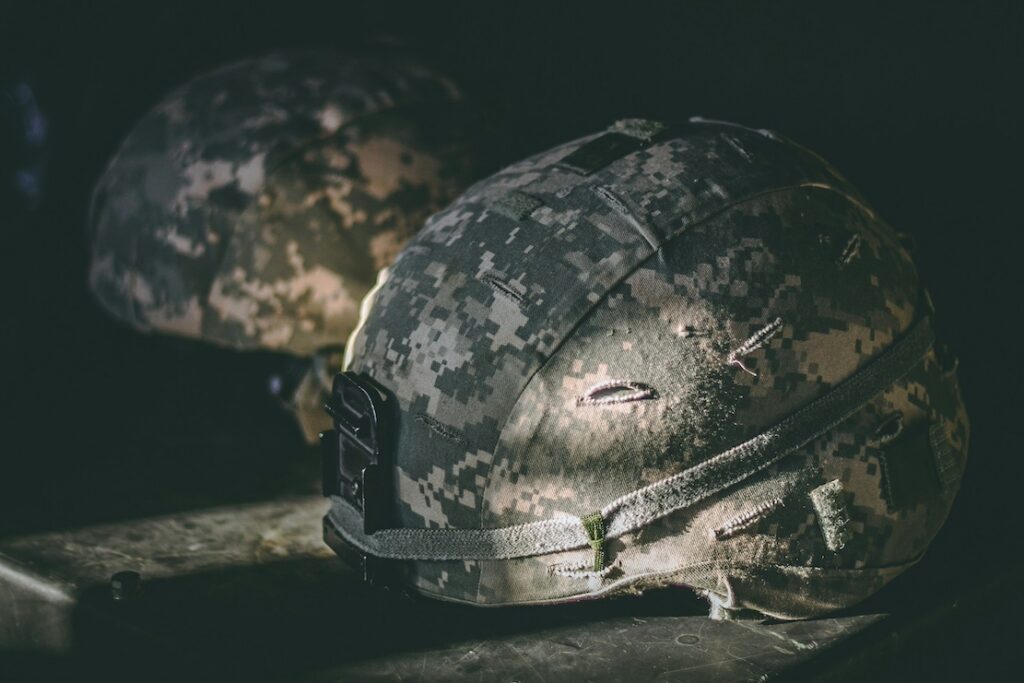
For many veterans, military service leaves a lasting physical mark. Years of carrying heavy loads, parachute landings, training injuries, combat wounds, and the wear and tear of military life add up. Long after they take off the uniform, a large share of veterans live with pain every day.
Over the past decade, the VA has transformed how it treats that pain, moving away from reliance on opioids and toward a team-based approach where psychology plays a central role. That shift has made pain psychologists some of the most valuable clinicians in the VA system, and some of the hardest to find.
Here’s what the data shows about chronic pain in veterans, how the VA’s approach to pain care has changed, and why psychologists who specialize in pain are in such high demand.
Veterans Live With More Pain
Veterans experience pain more often, and more severely, than the general population.
A national analysis from the National Center for Complementary and Integrative Health, based on National Health Interview Survey data, found that 65.5% of veterans reported pain in the previous three months, compared with 56.4% of nonveterans. More striking was the severity: 9.1% of veterans reported severe pain, compared with 6.3% of nonveterans. As the study’s lead author put it, veterans were “about 40 percent more likely to experience severe pain than nonveterans.”
The gap was widest among younger veterans. Veterans aged 18 to 39 reported severe pain at more than double the rate of civilians the same age, 7.8% versus 3.2%. Back pain and joint pain were especially common, reported by 32.8% and 43.6% of veterans, respectively.
Chronic pain rarely travels alone. Among veterans, it often overlaps with PTSD, depression, sleep problems, and the aftereffects of traumatic brain injury, each of which can make pain harder to treat and quality of life harder to maintain.
How the VA Changed Its Approach to Pain
The VA’s approach to pain has changed dramatically, and the story explains why pain psychology matters so much today.
In 1998, the VA adopted pain as the “fifth vital sign,” a well-intentioned effort to take pain seriously. Over the following years, opioid prescribing climbed. According to the DAV, the share of veterans in VA care receiving opioid prescriptions rose from 19% in 2004 to 33% in 2012.
As the risks of long-term opioid use became clearer, the VA changed course. In 2013, it launched the Opioid Safety Initiative. Between 2012 and 2022, the number of veterans receiving opioid prescriptions from the VA fell by 67%, from nearly 875,000 to fewer than 290,000.
Reducing opioids, though, only solves half the problem. Veterans still have pain, and it still needs to be treated. That’s where the VA’s newer model comes in.
The Biopsychosocial Model of Pain Care
Today, VA pain care is built on what the VA calls a Stepped Care Model for Pain Management, grounded in a biopsychosocial approach. The idea is that chronic pain isn’t only a physical problem. Psychological and social factors, including mood, stress, sleep, beliefs about pain, and daily function, all shape how severe pain feels and how much it disrupts a person’s life.
In practice, that means pain care happens in teams. Primary care, pain medicine, physical therapy, pharmacy, and behavioral health work together, and treatment increasingly includes approaches like cognitive behavioral therapy, physical therapy, mindfulness, yoga, and acupuncture, alongside medical care.
Within that model, psychologists aren’t an add-on. They deliver some of the most effective non-drug treatments available.
What Pain Psychologists Actually Do
Pain psychologists help patients change their relationship with pain, reducing its impact on daily life even when the pain itself can’t be eliminated. Common approaches include:
- Cognitive Behavioral Therapy for Chronic Pain (CBT-CP): a structured, evidence-based treatment that helps patients identify unhelpful thoughts and behaviors around pain and build skills to manage it
- Acceptance and Commitment Therapy (ACT): helps patients engage in meaningful activity despite pain, rather than organizing life around avoiding it
- Motivational interviewing: supports patients in making difficult changes, from increasing activity to tapering medications
- Mindfulness-based interventions and biofeedback: tools for managing the physical stress response to pain
- Behavioral activation and functional restoration: helping patients rebuild activity and routine step by step
The Evidence Behind It
The VA doesn’t rely on these approaches on faith. It trained therapists nationally in its CBT-CP protocol and studied the results.
A study of 1,331 veterans who began individual CBT-CP treatment between 2012 and 2018, published in Psychological Services, found significant improvements across multiple areas. Pain catastrophizing showed a large improvement, while pain intensity, pain interference, physical quality of life, and depression all improved with medium to large effect sizes. The authors concluded that the VA’s CBT-CP protocol is an effective, safe treatment for chronic pain in veterans and recommended broader dissemination.
For veterans who were once prescribed opioids as a first response, evidence-based psychological treatment offers another path, one that builds skills they keep for life.
The Shortage: Psychologists Are Among the Hardest Roles to Fill
Here’s the problem. The VA’s pain model depends heavily on psychologists, and psychologists are among the hardest clinicians for the VA to hire.
In its latest staffing shortage report, the VA Inspector General found that psychology was the second most commonly reported clinical shortage across VA facilities, identified as a severe shortage by 58% of facilities. Only practical nurses were reported more often. Psychiatry followed closely, at 54%.
Pain psychology is a specialty within a specialty. It requires clinical psychology training plus experience in health psychology, behavioral medicine, and the specific evidence-based treatments pain care relies on. When a VA pain program can’t staff its psychology role, veterans wait longer for the very treatments the VA has asked them to try instead of opioids.
Contract Pain Psychology Roles at the VA
To keep pain programs running, some VA facilities bring in psychologists through staffing partners under defined contracts. As one example, a current VA contract that Summit supports in New York calls for a pain psychologist to provide services to veterans at VA facilities in Brooklyn and Manhattan. The role includes:
- Psychological assessments and evaluations for patients with chronic pain
- Evidence-based treatment including CBT-CP, ACT, motivational interviewing, mindfulness-based interventions, and biofeedback
- Individual and group psychotherapy, plus family and caregiver counseling when appropriate
- Collaboration with interdisciplinary pain management teams
- Telehealth services using VA-approved platforms as needed
The position is full-time, Monday through Friday, 8:00 a.m. to 4:30 p.m., with no on-call responsibilities. It runs 6 to 12 months with an option to extend, and pays $75 to $80 per hour.
Requirements include a Ph.D. or Psy.D. in clinical or counseling psychology from an APA- or CPA-accredited program, an accredited pre-doctoral internship, at least two years of professional experience, experience treating chronic pain, and a current, full, and unrestricted psychology license in any U.S. state or territory. Every contract is different, and specific requirements vary.
Is VA Pain Psychology Right for You?
VA pain psychology tends to be a strong fit for:
- Health psychologists and behavioral medicine specialists who want to work where their training has the greatest impact
- Psychologists trained in CBT-CP or ACT who want to use those skills with a population that needs them
- Clinicians who value interdisciplinary care, working alongside physicians, physical therapists, and pharmacists
- Psychologists drawn to serving veterans, whether or not they served themselves
Before committing to any VA contract, it helps to understand the federal onboarding process. Our guide to VA credentialing explains what to expect.
Helping Veterans Live With Less Pain
The VA has made a major bet: that veterans with chronic pain are better served by skills, support, and team-based care than by medication alone. The evidence says it’s the right bet. But it only pays off if there are enough clinicians to deliver that care.
For psychologists who specialize in pain, few settings offer a clearer chance to change how patients live.
Current Openings
Summit Operations Group is a service-disabled veteran-owned staffing company that places psychologists, physicians, nurses, and support staff in contract roles at VA medical centers. The openings on our site reflect Summit’s current contracts, a small slice of opportunities across the VA system, and they change as positions are filled.
View current openings → · Learn about VA contract healthcare jobs →
Contact Us Now
"*" indicates required fields