
Military City USA: Why San Antonio Is a Hub for Military and Veteran Healthcare
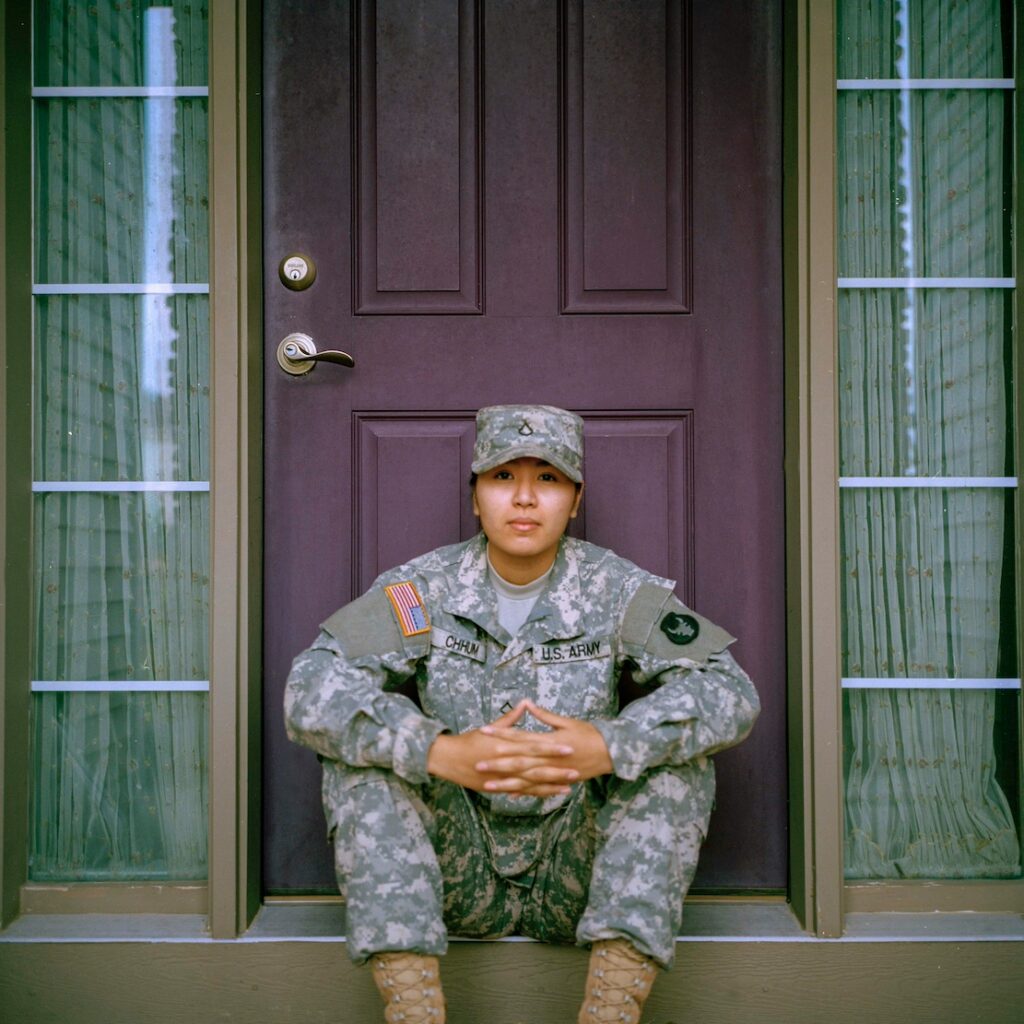
Few American cities are as closely tied to the military as San Antonio. It’s known as Military City USA, and the nickname is earned: the region is home to one of the largest military footprints in the country, one of the largest veteran populations in the nation, and a remarkable concentration of military and veteran medical care.
For healthcare professionals, that makes San Antonio unlike almost anywhere else to practice. Military trauma surgeons treat civilian car crash victims. VA physicians care for veterans recovering from the most severe injuries of war. And the entire region is helping the nation prepare for its next major medical emergency.
Here’s what makes San Antonio’s healthcare landscape unique, and why clinicians who want to serve military and veteran patients keep finding their way there.
A Region Built Around the Military
San Antonio’s military roots go back nearly 300 years, to the Spanish colonial presidio that gave the region its start. Today, that legacy lives on at Joint Base San Antonio (JBSA).
According to Bexar County, more than 80,000 active-duty service members and their families are assigned to JBSA, giving the county the second-largest U.S. military presence outside the National Capital Region. Bexar County is also home to about 156,000 veterans, the second-largest veteran population in Texas and the fifth-largest in the nation.
A population like that shapes a city’s healthcare system. San Antonio has built one of the most integrated military, veteran, and civilian medical communities in the country.
Brooke Army Medical Center: The Military’s Only Level I Trauma Center
At the center of San Antonio’s military medicine is Brooke Army Medical Center (BAMC) at Fort Sam Houston.
BAMC operates the military’s only Level I trauma center, and it doesn’t just treat service members. According to the U.S. Army, about 85% of BAMC’s trauma admissions are community members with no military affiliation. The trauma center serves San Antonio and 22 surrounding counties, a region of about 2.8 million people, and treats more than 6,000 military and civilian patients a year, including roughly 750 burn patients.
BAMC also houses some of the most specialized capabilities in military medicine, including the U.S. Army Institute of Surgical Research Burn Center, the Center for the Intrepid rehabilitation facility for wounded service members, and the military’s only ECMO center.
Why would a military hospital treat so many civilians? Readiness. Trauma skills fade without practice, and in peacetime there aren’t enough battlefield injuries to keep military surgeons sharp. As we discussed in our look at the VA’s Fourth Mission, military medical leaders have warned Congress that only a small share of military surgeons get the case volume they need to stay combat-ready. BAMC’s civilian trauma mission is one of the country’s best answers to that problem: the car crash victim treated in San Antonio today helps prepare the trauma team that may treat wounded service members tomorrow.
The VA in San Antonio: Audie L. Murphy and the South Texas System
When service members leave the military, many continue their care through the South Texas Veterans Health Care System, anchored by the Audie L. Murphy Memorial Veterans Hospital in San Antonio.
The hospital admitted its first patient in 1973. It’s named for Audie L. Murphy, a Texan and the most decorated American soldier of World War II. According to the VA, the system also includes a campus in Kerrville, a location in Victoria, and numerous outpatient and community-based clinics.
Audie L. Murphy is far more than a community hospital:
- Academic medicine. It’s affiliated with UT Health San Antonio, so clinicians work alongside residents and faculty in a teaching environment.
- Research. The hospital is a research facility with a Geriatric Research, Education and Clinical Center (GRECC) designated as a Center of Excellence.
- Polytrauma rehabilitation. In 2011, the VA dedicated its Polytrauma Rehabilitation Center in San Antonio, a $66 million inpatient and outpatient facility. It’s one of only five such centers nationwide, treating veterans and service members with multiple severe injuries, often including traumatic brain injury. At the dedication, then-VA Secretary Eric Shinseki put the mission simply: “We owe them the rest of the journey home.”
For clinicians, that combination of academic medicine, research, and highly complex patients makes Audie L. Murphy one of the more demanding and rewarding places in the VA system to practice.
A Region That Plans Together for Emergencies
San Antonio stands out for another reason: military, VA, and civilian healthcare organizations there have spent decades learning to work as one system.
Much of that coordination runs through the Southwest Texas Regional Advisory Council (STRAC), which established a regional medical operations coordination center in 2001. According to a 2026 study in The American Journal of Surgery, that center has coordinated regional responses to hurricanes, wildfires, public health crises, and the COVID-19 pandemic, balancing patient loads and resources across hospitals during surge events.
The military is part of that system. In 2019, BAMC, Air Force medical units, and STRAC ran a National Disaster Medical System exercise involving more than 30 hospitals and more than 70 EMS providers across 22 counties.
Today, San Antonio is one of eight sites in the Department of Defense’s NDMS Pilot Program, a congressionally directed effort to strengthen the nation’s ability to care for U.S. casualties returning from a large-scale overseas conflict. If the country ever needs to move large numbers of wounded service members home for care, San Antonio’s hospitals, including its VA, are part of the plan.
Why Clinicians Choose San Antonio
For healthcare professionals, San Antonio offers a rare combination:
- Mission-driven patient populations, including active-duty service members, military families, and one of the largest veteran populations in the country
- Complex, high-acuity cases, from trauma and burns to polytrauma rehabilitation and chronic conditions common among veterans
- Academic and research environments, through institutions like UT Health San Antonio and the VA’s research programs
- A collaborative regional system, where military, VA, and civilian organizations train and respond together
- A growing city with a lower cost of living than many major metro areas
It’s also a place where clinicians who never served can still build a career around serving those who did.
VA Contract Opportunities in San Antonio
Like VA medical centers across the country, San Antonio’s VA relies on contract clinicians to help fill critical roles, particularly in hard-to-staff specialties. As we covered in our look at VA staffing shortages, 97% of VA facilities report severe physician shortages.
One current example is an interventional radiology contract that Summit supports at the Audie L. Murphy VA Medical Center. The role covers the full range of image-guided procedures, from biopsies and drainages to vascular access, angiography, embolization, and ablation, with two interventional radiologists on site during clinic hours and an on-call rotation for evenings, weekends, and holidays. A few specifics from that contract show what VA work in San Antonio can look like:
- Schedule: Monday through Friday, 7:00 a.m. to 4:00 p.m. Central, plus on-call and call-back coverage for evenings, weekends, and holidays
- Call expectations: respond to phone consults within 15 minutes; on call-back, arrive on site within 60 minutes
- Time split: about 90% direct patient care, with the rest devoted to monthly quality meetings, tumor board, an IR lecture series, and peer review
- Reporting: clinically to the VA Chief of Staff or Chief of Radiology Service, with contract oversight through a Contracting Officer’s Representative
- Requirements: a full, unrestricted medical license in any U.S. state, board certification in radiology, current DEA registration and NPI, and completion of VA credentialing and privileging before starting
Prior experience in a VA, military, or large hospital system is listed as preferred, which makes the role a natural fit for interventional radiologists coming out of military medicine. For a detailed look at what VA IR practice involves, see our guide to interventional radiology at the VA, and for what to expect from the onboarding process, see our guide to VA credentialing.
Current Openings
Summit Operations Group is a service-disabled veteran-owned staffing company that places physicians and clinicians in contract roles at VA medical centers, including in San Antonio. The openings on our site reflect Summit’s current contracts, a small slice of opportunities across the VA system, and they change as positions are filled.
View current openings → · Interventional radiology at the VA → · Compare VA radiologist pay →
Contact Us Now
"*" indicates required fields